Blue Ocean Designs by Walt Smith
A lifetime in the ocean. A new expression in art.
While studying architecture in Illinois, Walt Smith kept seven saltwater aquariums in his Chicago apartment. By the early 1970s, his interest in marine life had become a career that would take his family across the Pacific to Fiji.
The art he makes today grew from that life underwater. Find a design you love, then see the many ways it can become part of yours.
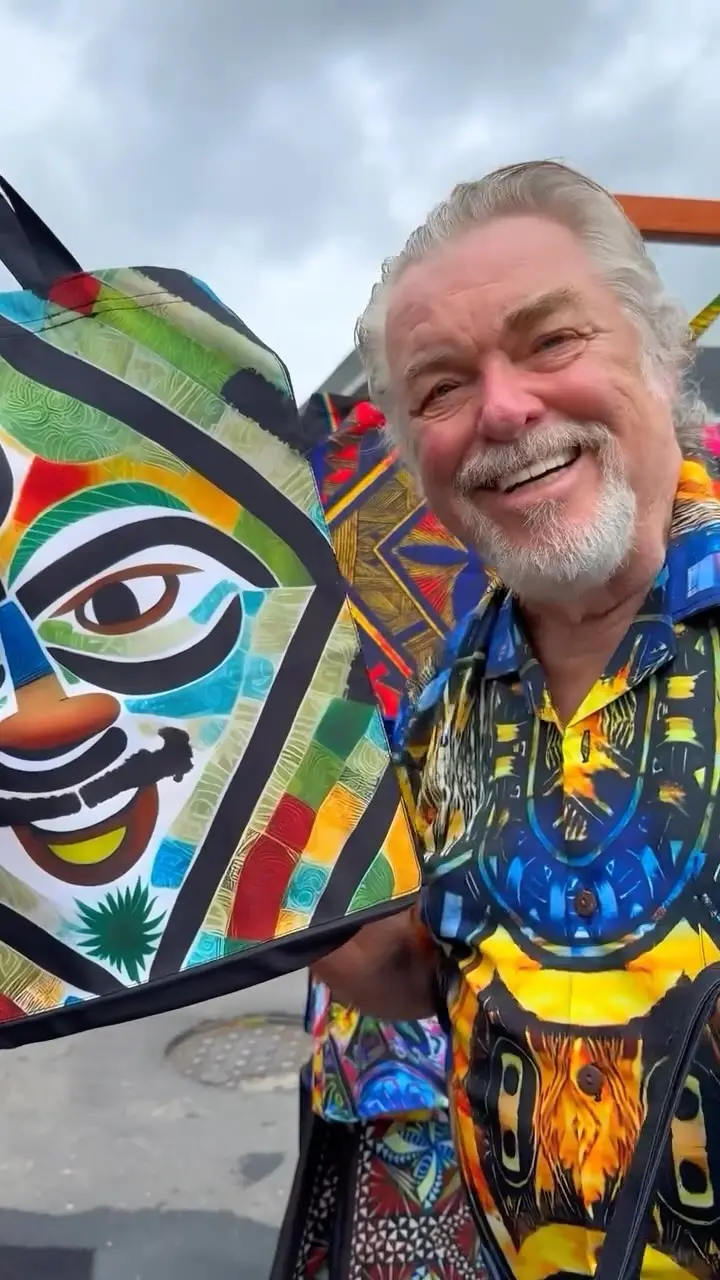
Meet Walt Smith
From Chicago to the South Pacific.
Walt went west to California hoping to work in architecture. During a recession, he instead found a way to turn his aquarium hobby into a business: first supplying fish to shops he knew in Chicago, then hand-selecting marine life for retailers across the United States. It was a commercial aquarium career, with all the practical work of collection, export and husbandry that entailed.
In 1989 he moved to Tonga with Deborah and their two children to run a marine export station. Walt describes Deborah as an integral partner in the business they built there. Fiji's government later invited him to bring that work to its growing marine trade, and the family moved to Fiji in 1995.
Those years changed what Walt could see underwater and what he could make. They also brought him and Deborah into the coral cultivation and reef work that would become a second part of their lives. Read Walt's own account
Coral cultivation
What began on a coral farm.
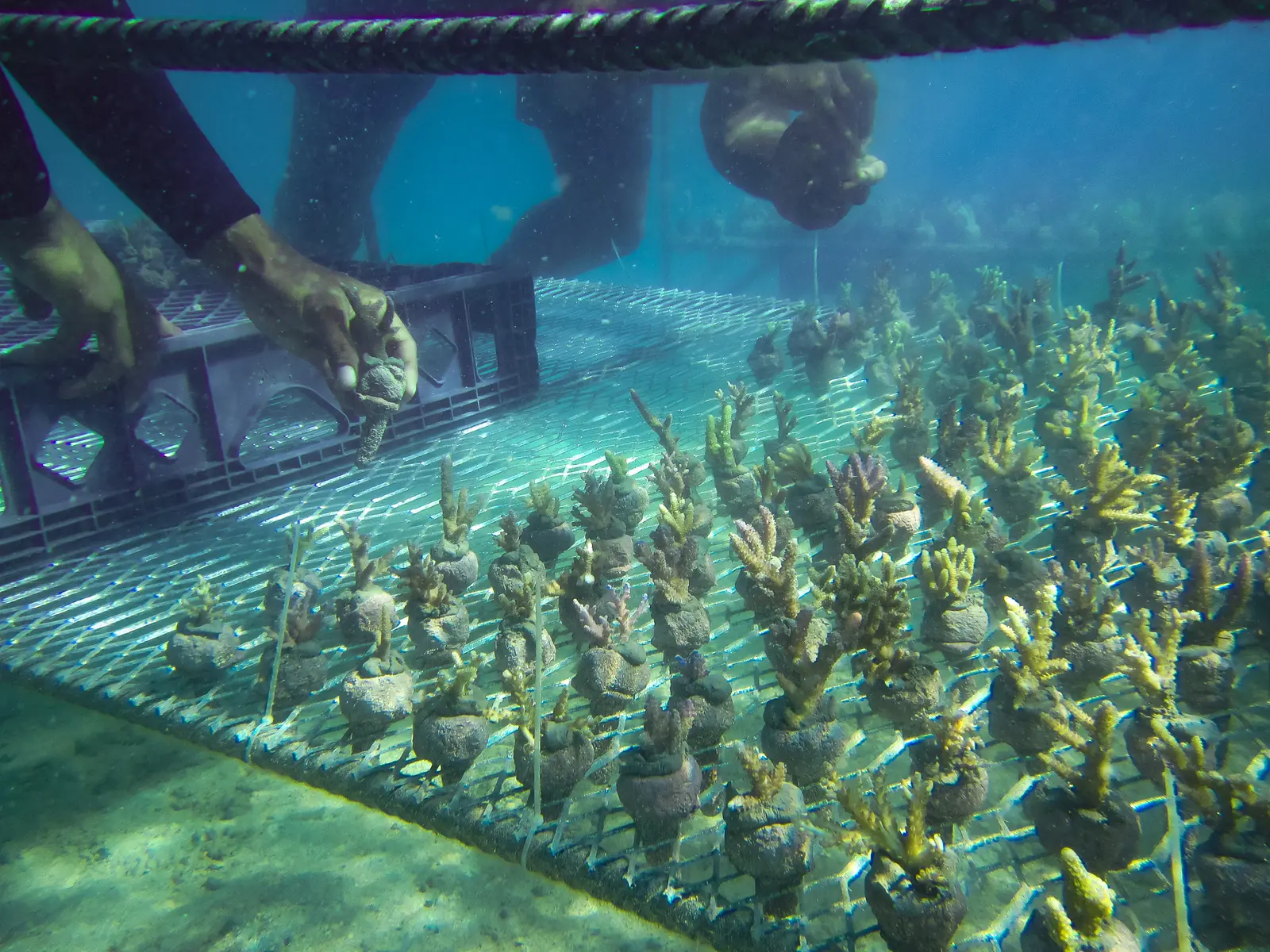
Walt's Fiji business collected and exported marine life for aquariums. It also became a place to test a different approach to coral: growing fragments on racks rather than relying only on collection from reefs. He began coral-farming experiments in 1998 and, with Deborah, expanded the work into replanting.
They also created a guest-participation Coral Walk at Hideaway Resort. The initiative received an International Ecotourism Award in 2007. Over time, cultivation methods developed for the aquarium trade found another purpose in damaged reef areas and community training.
At the 2018 Marine Aquarium Conference of North America, Walt received the MASNA Pioneer Award for Industry for his contributions to sustainable collection, coral culture, and training.
From reef to art
The ocean became a new canvas.
Years in and around Fiji's reefs left a photographic record. Walt, Deborah, and colleagues at Walt Smith International had taken underwater pictures through the course of their work. In 2023, CORAL Magazine described that collection as more than a terabyte of images at the time—an archive of color, texture, and movement that Walt could revisit.
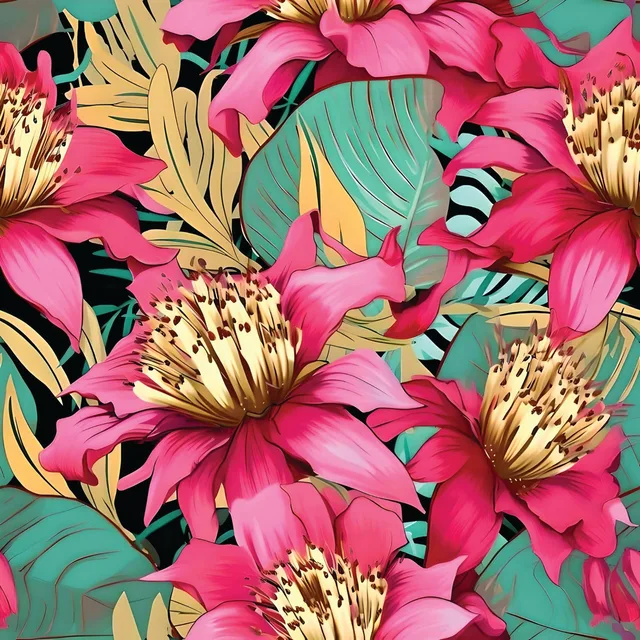
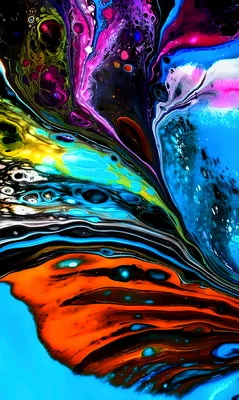
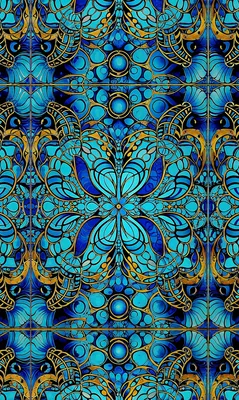
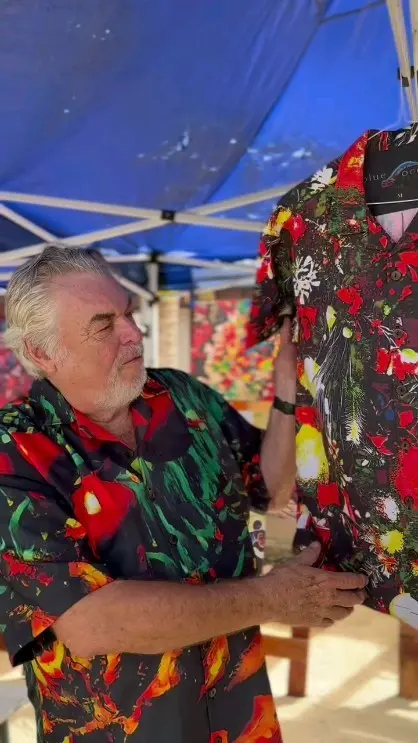
Returning to his design background, Walt used digital techniques to interpret what he had seen. His patterns are not literal copies of an individual reef photograph. They draw on the forms of coral and marine life, sometimes becoming bold abstracts that feel quite different from the original scene.
Blue Ocean Designs by Walt launched publicly in 2023. Today the original artwork appears across clothing, home pieces, and things to take on a trip. The design comes first; where you choose to live with it comes next. Walt and Deborah's coral work led to a separate undertaking: the ADE Project.
ADE Project
Rebuilding Fiji's reefs, together.
Walt's coral experiments began in Fiji in 1998. With Deborah and Fijian partners, that work later developed into ADE's reef restoration and education programs.
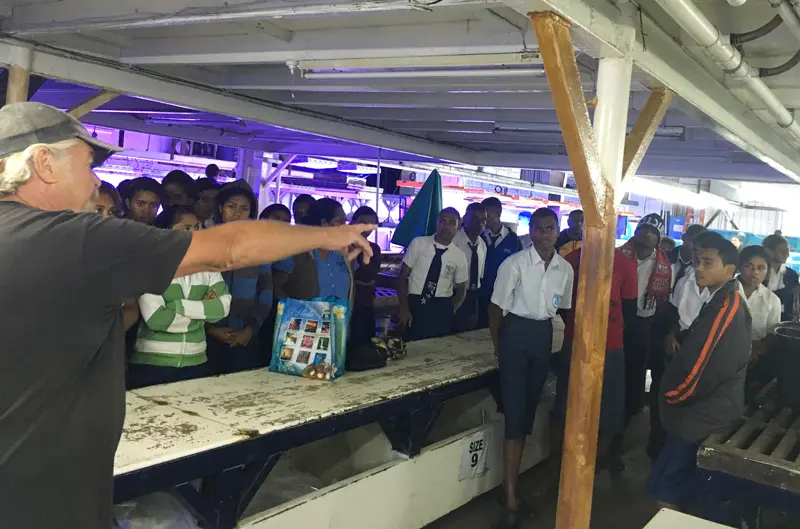
ADE is a restoration and education effort separate from Walt's art business. Its teams work at nursery and reef sites, share practical methods with village partners, and introduce students to marine life. The care and teaching continue beyond a single planting day.
A portion of Blue Ocean Designs profits supports ADE Project reef restoration.
Explore ADE Project Discover how ADE works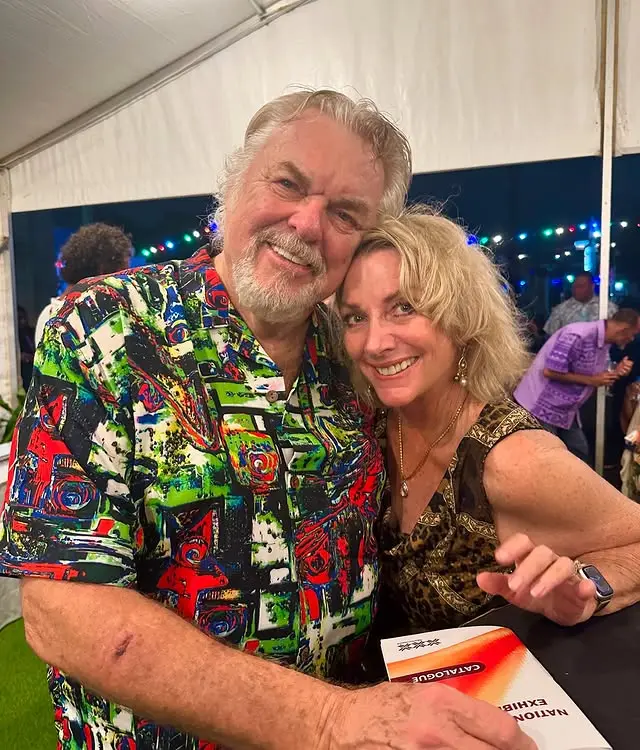
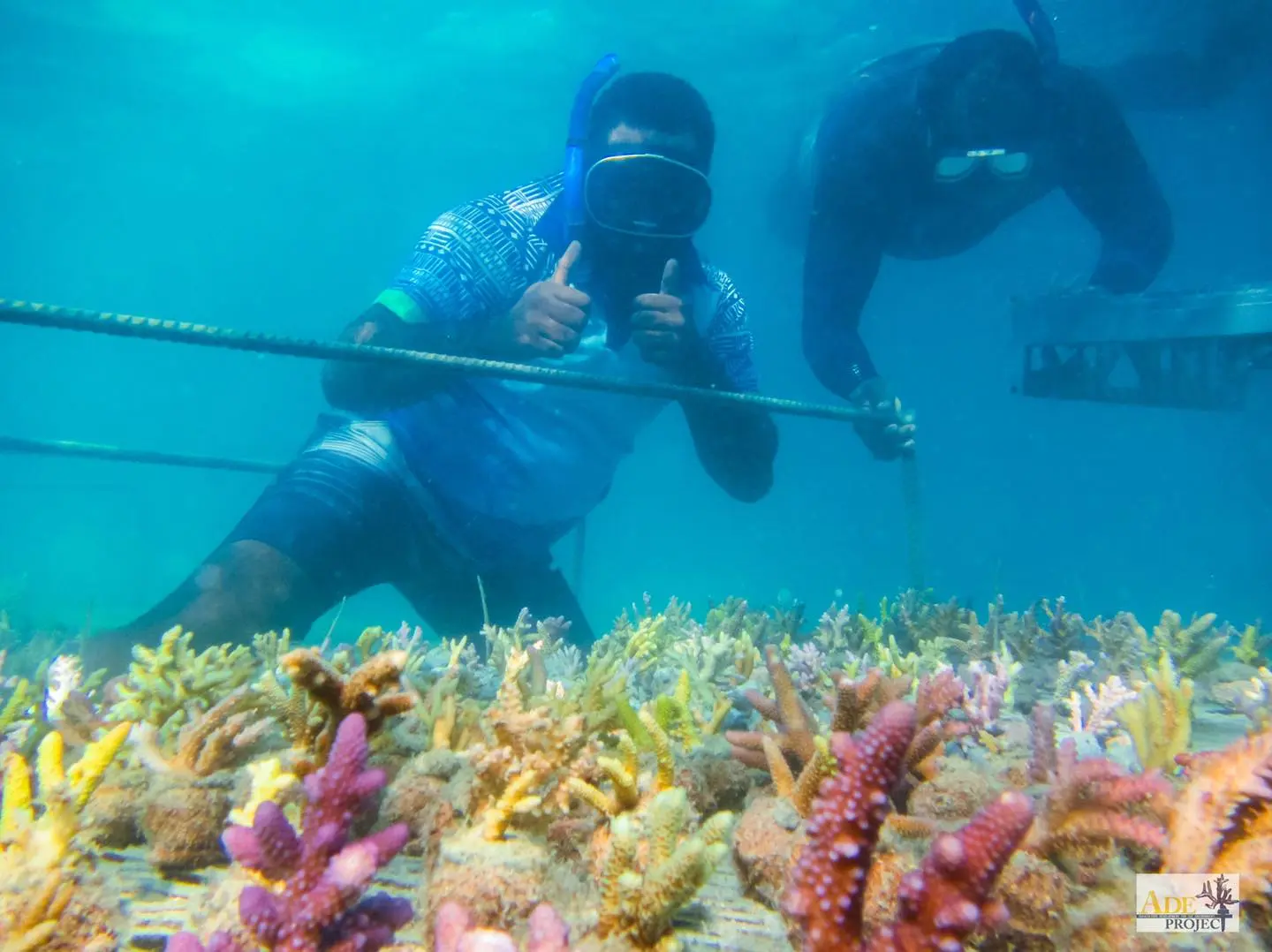
ADE's method
How coral restoration works.
-
01
Begin with coral fragments
Secure coral fragments to plugs that can be moved carefully to the nursery.
-
02
Grow them in the nursery
Place them on underwater racks. ADE describes a 2–5 month grow-out before suitable corals are replanted.
-
03
Plant them in the reef
Move grown fragments to affected reefs and fit the plugs into natural crevices.
-
04
Collect data and monitor results
Return to observe growth and record what happens after planting.
People are part of the method. ADE trains village partners to prepare coral and welcomes students to learn about marine life at its Lautoka facility. See ADE's education work
Read ADE's accounts of growing and replanting and monitoring.
Field report · August 2025
1,080
corals planted in 2 days
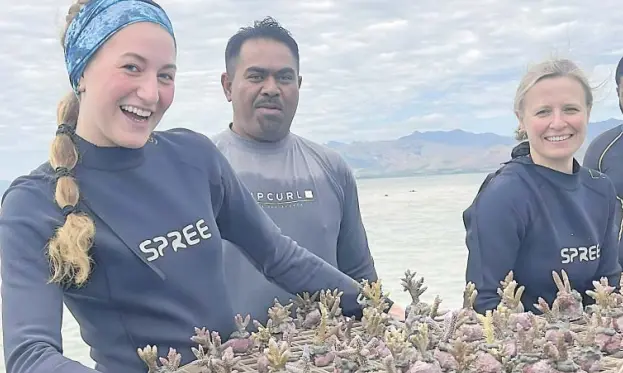
Rakiraki, Fiji
The Fiji Times reported that a team including participants from Drauniivi Village, four University of Utah students, and Walt and Deborah Smith planted 1,080 corals on one reef in Rakiraki.
Read the Fiji Times reportIn the press & recognition.
Published coverage of Walt's marine work and original art.
-
CORAL Magazine
2018 MASNA Pioneer Award for Industry: Walt Smith
CORAL reported MASNA's award to Walt for his work in sustainable collecting, coral cultivation, and training in Fiji.
-
CORAL Magazine
New Ocean-Inspired Designs from Walt Smith
CORAL covered the launch of Blue Ocean Designs by Walt and the underwater photographs behind his artwork.
-
The Fiji Times
Transforming conservation through art for coral reefs
The Fiji Times reported Walt showing coral and fish art, shirts, and tote bags at Suva's Roc Market.
For Walt's own account, read his first-person biography.
Discover the artwork
Take the story with you.
Walt's designs bring years of observation into everyday life. Begin with the artwork itself; each design page shows the clothing, home pieces, and accessories currently available in that print.